Planning to build wardrobes, modular kitchens, shelves or custom furniture but confused whether MDF is the right material?
Many people choose boards based only on price and only later realise that the finish, durability, or overall performance is not what they expected. The right board can make a noticeable difference in how your interiors look and how long they last. That’s why understanding medium density fiberboard properties and uses before making a decision is important.
Medium Density Fiberboard (MDF) has become one of the most preferred engineered wood materials for modern interiors because of its smooth surface, design flexibility and cost effectiveness. Whether you are selecting materials for furniture, wardrobes or custom interior projects, MDF offers a practical balance between appearance, performance and value.
Medium Density Fiberboard (MDF) is an extremely versatile wood composite made by compressing wood fibres with resin and wax under high pressure. It is commonly used for wardrobes, cabinets, furniture, wall panels and modular interiors because of its smooth finish, easy workability and consistent quality.
Medium Density Fiberboard, often called MDF board, is manufactured using fine wood fibres bonded together through heat and pressure. Unlike natural wood, MDF has a smooth and uniform structure without visible grain patterns.
Because of this consistency, MDF becomes easier to paint, laminate, cut and shape into modern furniture and interior applications.
Today, MDF is widely used in residential and commercial projects where appearance and precision matter. Explore premium MDF Board suppliers in Kerala.
One of the reasons MDF remains a preferred material is its balanced performance.
Important medium density fiberboard properties include
● Smooth and uniform surface finish
● Consistent density across the board
● Easy cutting and shaping
● Excellent compatibility with laminates and paints
● Stable dimensions for interior use
● Available in multiple thickness and finish options
These properties make MDF suitable for projects that require both aesthetics and practicality.
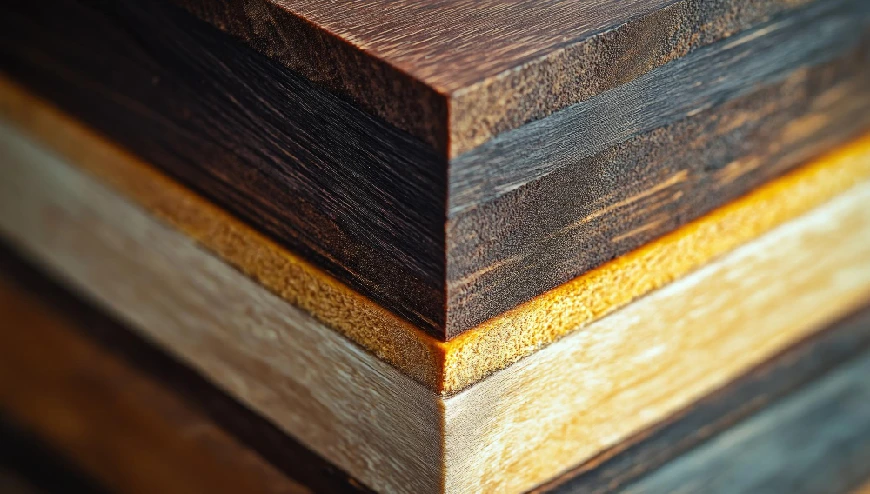
Not every MDF board is designed for the same purpose.
Suitable for wardrobes, furniture, shelving and indoor applications.
Designed for interiors exposed to moderate humidity such as kitchens.
Used in projects where additional fire resistance is preferred.
Offers higher density and improved durability for demanding applications.
Selecting the correct board type improves both performance and lifespan.
Choosing suitable MDF board sizes affects durability and finishing quality.
| Thickness | Typical Application |
| 6 mm | Decorative panels |
| 9 mm | Shelves and partitions |
| 12 mm | Cabinets and wardrobes |
| 18 mm | Modular kitchens and furniture |
| 25 mm | Heavy interior applications |
Instead of choosing the thickest board available, select based on actual project requirements.
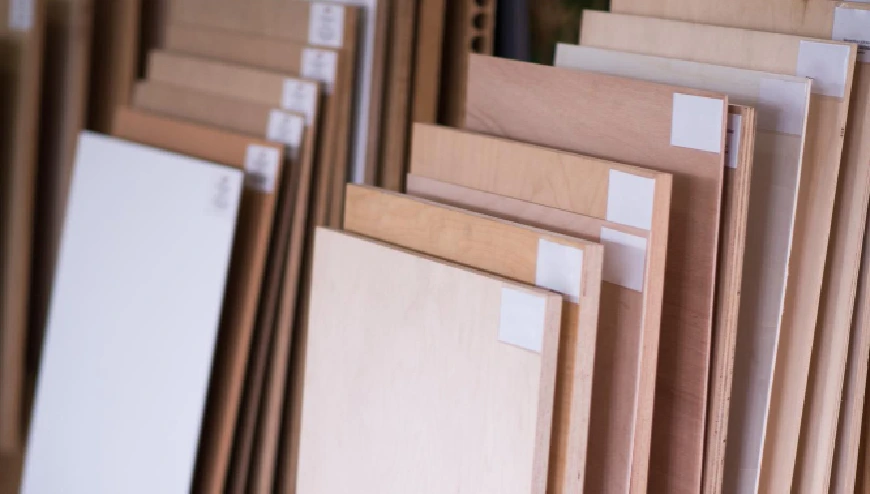
One reason MDF continues to grow in popularity is the variety of MDF board uses.
Today, MDF is commonly selected for
● Modular kitchens
● Wardrobes
● Storage cabinets
● TV units
● Decorative wall panels
● Office furniture
● Shelves and display units
● Interior partitions
Its smooth finish works well with painted and laminated surfaces. This makes it a good fit for modern interior designs.
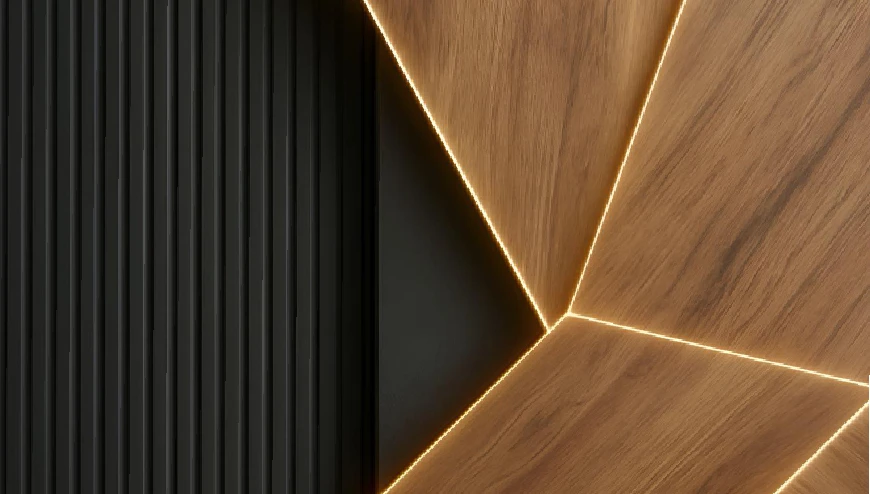
Many buyers compare MDF vs plywood before selecting a board.
Both materials perform differently depending on application.
| Feature | MDF | Plywood |
| Surface Finish | Very Smooth | Natural Wood Texture |
| Painting | Excellent | Good |
| Strength | Moderate | High |
| Cost | Affordable | Slightly Higher |
| Moisture Resistance | Moderate | Better |
If your focus is decorative finishes, custom furniture, and affordability, MDF can be an excellent option.
If structural strength and higher moisture resistance matter more, plywood may be the better choice.
Choosing the right MDF board is not only about price. The thickness and board type should match how and where it will be used.
For decorative wall panels and lightweight applications, thinner boards such as 6 mm or 9 mm are often enough. For wardrobes, cabinets, and general furniture, 12 mm to 18 mm MDF is commonly preferred because it offers better stability and finish quality.
If the board will be installed in kitchens or areas exposed to moisture, moisture-resistant MDF may perform better over time.
Selecting the correct board early helps improve durability, finishing quality, and long-term value. Find the right MDF Board for your interior project.
The board quality matters, but choosing the right supplier matters too.
Before selecting MDF board suppliers in Kerala, check
● Product quality
● Available thickness options
● Moisture resistant grades
● Stock consistency
● Product guidance and support
Varna Group offers MDF solutions across multiple board options for furniture and interior applications while helping customers choose based on actual project needs. Get expert guidance for selecting MDF boards
Standard MDF is not waterproof. Moisture resistant MDF is recommended for areas with moderate humidity.
18 mm MDF is often chosen because it offers a good mix of strength and finish.
Both materials can last for years when used correctly. Application and maintenance play an important role.
Compared with plywood, MDF generally offers lower structural strength and reduced moisture resistance.
Yes. Moisture resistant MDF is commonly used for modular kitchen interiors and decorative applications.
Understanding medium density fiberboard properties and uses helps you choose materials more confidently and create interiors that look better and perform well over time.
From selecting the right thickness to comparing MDF vs plywood, making informed decisions early can save time, improve finishing quality, and reduce unnecessary costs later.
If you are planning a furniture or interior project and want to explore MDF options that suit your requirements, take a look at Varna Group’s MDF board range and choose the right board for your space with expert guidance.

 Rahmaniya Building Door No. XV/596, Ottupara,
Wadakkanchery. P.O, Thrissur, Kerala - 680582




© 2026 Varna Group. All Rights Reserved.